
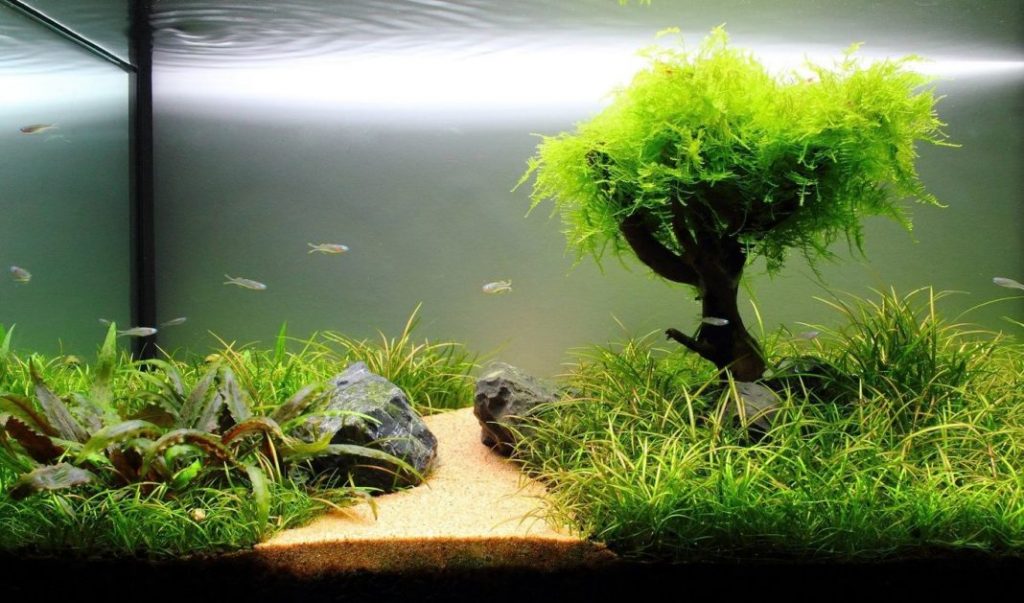
Introduction: Beyond Beauty—The Purpose of Aquarium Plants
In the world of aquatics, few elements carry as much transformative power as live plants. Aquarium plants are not merely decorative accents meant to enhance visual appeal; they are the lifeblood of a thriving aquatic ecosystem. Whether gracing a small desktop nano tank or anchoring a grand aquascaped display, these living greens bring vitality, structure, and purpose to the underwater environment. A well-planted tank doesn’t just look alive—it is alive, functioning as a miniature ecosystem where biology, chemistry, and artistry intertwine seamlessly.
The Biological Significance of Aquarium Plants
One of the most compelling reasons to integrate live plants into your aquarium is the suite of biological benefits they offer. These benefits extend far beyond the visual, supporting water quality, aquatic life, and overall tank stability.
Key Ecological Benefits
-
Oxygen Production: Through photosynthesis, plants produce oxygen that supports fish, shrimp, and beneficial bacteria essential for a healthy nitrogen cycle.
-
Natural Filtration: Aquarium plants absorb harmful compounds such as ammonia, nitrites, and nitrates, contributing to improved water quality and reduced algae proliferation.
-
Waste Regulation: By utilizing nutrients from decaying organic matter and fish waste, plants help to prevent imbalances that can destabilize water parameters.
-
Stress Reduction for Fish: Vegetation provides cover, reduces aggression among species, and creates a more natural habitat, leading to less stress and healthier behavior patterns.
Choosing the Right Plants: Understanding Categories and Functions
Aquarium plants can be grouped according to their placement and growth characteristics, each offering specific aesthetic and ecological contributions. Knowing how to layer and balance plant types will shape both the health and beauty of your aquascape.
Foreground Plants
These are small, low-lying species that cover the base of the tank, giving the impression of a lush green carpet.
-
Examples: Dwarf Hairgrass, Monte Carlo, Marsilea hirsuta
-
Function: Adds scale and texture to the aquascape, perfect for nano tanks or minimalist layouts
Midground Plants
Medium-height varieties placed between the foreground and the taller background plants, often used to add density and structure.
-
Examples: Cryptocoryne wendtii, Anubias nana, Java Fern
-
Function: Serve as focal points and hiding spots without overwhelming the visual flow
Background Plants
Tall-growing plants that dominate the rear section of the tank, often used to conceal filters, heaters, or plumbing.
-
Examples: Amazon Sword, Vallisneria, Hygrophila corymbosa
-
Function: Provide verticality, backdrop contrast, and privacy for shy species
Floating Plants
These species float on the surface, providing shade and reducing light penetration.
-
Examples: Duckweed, Frogbit, Red Root Floater
-
Function: Useful for breeding tanks, they absorb excess nutrients and block direct light, preventing algae overgrowth
Creating a Suitable Environment for Plant Growth
Success with aquarium plants hinges on replicating the conditions they need to thrive. From lighting and substrate to CO₂ and nutrients, every element plays a pivotal role in their health and vibrancy.
Lighting
Lighting dictates the rate of photosynthesis and, consequently, plant health. Different plants have varying light requirements, and striking the right balance is key.
-
Low-Light Plants: Java Fern, Anubias, Cryptocoryne
-
High-Light Plants: Rotala, Glossostigma, Pogostemon helferi
-
Tip: Use full-spectrum LED lights rated for plant growth and maintain a consistent photoperiod of 8–10 hours daily
Substrate
Rooted plants need a nutrient-rich base to anchor and draw sustenance from. The right substrate can make a significant difference in plant performance.
-
Optimal Substrates: ADA Aqua Soil, Tropica Aquarium Soil, Seachem Flourite
-
Supplemental Support: Root tabs can be added under inert substrates to provide targeted nutrition
CO₂ Injection
Carbon dioxide is a vital element of photosynthesis. High-tech aquariums with demanding plants often require CO₂ supplementation.
-
Advantages: Promotes rapid growth, better coloration, and plant resilience
-
Monitoring: Use a drop checker or inline monitor to ensure levels are safe for fish
Fertilization
Plants need macronutrients like nitrogen, phosphorus, and potassium, as well as micronutrients such as iron and magnesium.
-
Liquid Fertilizers: Best for water column feeders
-
Root Tabs: Ideal for root-heavy species
-
Routine: Follow a weekly or daily dosing schedule based on tank biomass and light intensity
Beginner-Friendly Plant Varieties
For those new to aquatic planting, starting with resilient, easy-care species ensures early success and builds confidence.
-
Java Moss: Extremely hardy and fast-growing, perfect for attaching to driftwood or rocks
-
Anubias Barteri: Slow-growing, low light tolerance, and virtually indestructible
-
Amazon Sword: Bold and lush, ideal for mid to large tanks
-
Hornwort: Great floating or rooted plant that rapidly absorbs nutrients
-
Marimo Moss Ball: Unique spherical algae that thrives in low-tech tanks and requires minimal care
Common Pitfalls and How to Avoid Them
Even experienced aquarists face challenges in maintaining a lush planted tank. Recognizing issues early and applying the right solutions can preserve both plant health and overall tank balance.
Algae Outbreaks
-
Cause: Excess nutrients, long lighting hours, or poor CO₂ balance
-
Solution: Shorten light duration, balance fertilization, and introduce algae eaters like Amano shrimp or Otocinclus catfish
Melting Leaves
-
Cause: Sudden change in water parameters or acclimatization stress
-
Solution: Do not remove the plant—allow time for adaptation and new growth
Yellowing or Stunted Growth
-
Cause: Nutrient deficiency or outdated lighting
-
Solution: Adjust dosing schedule and upgrade to modern plant-friendly lighting
The Aesthetic and Emotional Appeal of Planted Tanks
Beyond their biological value, aquarium plants offer unparalleled aesthetic richness. A well-crafted aquascape becomes an expression of personal artistry—balancing color, texture, shape, and flow. Styles such as Dutch-style planting, Iwagumi layouts, or jungle tanks each highlight different aspects of aquatic beauty. Moreover, tending to a planted aquarium fosters patience, mindfulness, and a deeper appreciation for natural cycles. For many, the gentle dance of leaves in current-laden water is not just a hobby—it’s a source of calm and wonder.
Conclusion: Embracing the Green Heart of Aquariums
Incorporating live plants into an aquarium is one of the most rewarding decisions an aquarist can make. These living organisms do far more than complete the visual composition of a tank—they regulate, protect, oxygenate, and stabilize the entire ecosystem. Whether you are striving for a low-maintenance biotope or an intricately designed aquascape, aquarium plants offer endless potential for beauty, function, and connection. To nurture them is to engage in a craft where science and serenity meet beneath the surface.