
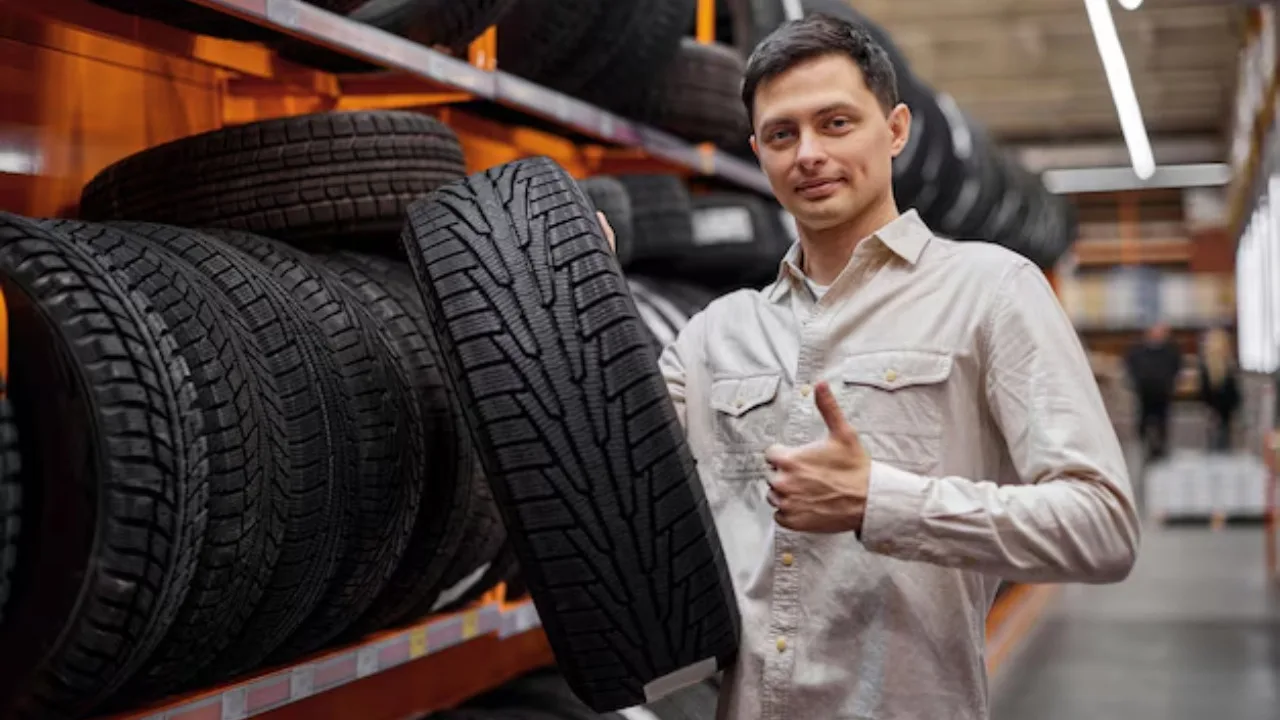
A Changing Market Shaped by Consumer Behaviour
Gone are the days when auto services functioned purely as industrial workshops tucked away behind petrol stations. Today, car owners treat tyre purchases like any other retail experience—expecting clarity, value, and service in one seamless process. That’s exactly why opening a tire shop is no longer just a mechanical venture, but a consumer-facing retail opportunity waiting to be optimised.
Customers don’t see a tyre shop as a warehouse anymore. They see it as a one-stop solution that helps them stay safe on the road with minimal hassle. This shift in shopper mentality opens a clear path for anyone considering opening a tire shop with a strong retail-oriented strategy.
The Retail Logic Behind Tyre Sales
Every retail business relies on understanding how people buy—and tyres are no different. Most drivers make tyre purchases based on urgency. They don’t typically plan it months in advance. Instead, a puncture, a failed inspection, or visible tread wear drives them straight into a shop. At that moment, they’re not just looking for rubber—they’re looking for fast, trustworthy help.
That’s where a retail-style tyre shop thrives. By presenting options clearly, offering bundled services upfront, and creating a welcoming environment, your business can deliver more than just products—it can deliver solutions. Unlike many goods that are bought on impulse or preference, tyres are need-driven. This means customer conversion, once inside the shop, is incredibly high—if the experience meets expectations.
Building a Storefront That Sells Without Selling
When you walk into a well-run tyre shop today, it shouldn’t feel like entering a dimly lit service bay. The most successful shops operate more like showrooms. The space is clean, tyres are organised by category and vehicle type, and customer service representatives act more like consultants than clerks.
Retail-minded shop owners emphasize layout, signage, and even scent. A polished showroom with helpful displays, simple size guides, and friendly lighting contributes to a sense of credibility. Customers are more likely to spend and trust your recommendations when the environment reflects professionalism. That first impression is crucial when you’re opening a tire shop and trying to establish local loyalty.
Inventory Isn’t Just About Stock, It’s About Smart Choices
Many new business owners make the mistake of thinking they need to carry every tyre ever made. That’s not only expensive but inefficient. A better approach is to stock tyres based on your area’s vehicle demographics and road conditions.
For example, if you’re setting up shop in an urban centre, you’ll likely deal with sedans, hatchbacks, and compact SUVs. All-season tyres in commonly used sizes should take priority. Conversely, if you’re in a rural or mountainous region, all-terrain and heavy-load tyres will see more demand. Understanding the local vehicle mix is just as important as understanding the tyres themselves. Tailored inventory selection makes opening a tire shop leaner and more cost-effective from day one.
Why Customer Trust Is Your Most Valuable Asset
Tyres aren’t cheap—and most customers feel vulnerable when buying them. They’re unsure of what they need, whether the pricing is fair, or if the installation is being done properly. That’s where your brand’s trustworthiness becomes the key differentiator.
Instead of using pushy tactics, educate your customers. Take time to explain why one tyre might suit their driving style better than another. Show them how alignment affects tread life. Use real-time diagnostics or visual aids during consultations. These small touches make people feel included in the process. When trust is earned, they not only buy—they come back when their next tyre wears out.
The Role of Professional Staff in Shaping Buyer Experience
Having the right team is just as important as having the right tools. Your employees are the face of the business. They need to be articulate, well-trained, and customer-focused. It’s not enough for them to know how to operate a tyre changer—they should also know how to make a nervous customer feel at ease.
The best staff know how to listen. They don’t talk down to customers or bombard them with jargon. They ask questions, offer options, and guide the decision-making process. Hiring and training people with this kind of mindset helps reinforce your brand as a reliable, friendly place to shop—not just a repair centre.
Turning a Single Sale into Long-Term Loyalty
A tyre purchase can be the start of a much longer relationship. The key is to stay useful beyond the sale. Offer complimentary pressure checks for the next six months. Send SMS reminders for rotations or alignments. Let them know when seasonal specials begin. These simple gestures create value long after the receipt is printed.
For customers, knowing they can come back to your shop without feeling pressured into buying something again is powerful. It turns one-time visitors into regulars. And regulars are the backbone of sustainable success when opening a tire shop with long-term goals.
Investing in Tools That Improve Workflow and Confidence
Although tyres are your primary product, the tools you use to fit them influence both efficiency and perception. Investing in professional-grade tyre changers, digital balancers, and alignment systems not only speeds up work—it shows customers you’re serious.
Even the small things matter: calibrated torque wrenches, clean air compressors, and tread depth gauges give your technicians an edge. They also give your customers peace of mind. When the equipment is precise, the results are reliable. And in a business where word-of-mouth and repeat visits matter, that kind of consistency is priceless.
Promoting Your Shop in a Buyer-Focused Manner
When it comes to tyre sales, your marketing needs to connect with the daily concerns of drivers. Forget flashy slogans and technical overload. Instead, focus on everyday language that speaks to safety, performance, and convenience.
Let potential customers know you offer same-day service. Show them how easy it is to book online. Highlight how your tyres help in rainy weather or improve fuel efficiency. Share testimonials from families, commuters, or delivery drivers. The more relatable your messaging is, the more likely shoppers will walk through your doors—and keep coming back.
Closing Deals With Confidence, Not Pressure
One final point that often gets overlooked: tyre customers don’t want to feel sold to. They want to feel helped. When opening a tire shop, your role is to create a space where decisions are made with clarity and confidence.
Let your pricing speak for itself. Be transparent. Offer comparisons when asked, but never manipulate. Customers respect honesty, and in the long run, that trust builds a stronger customer base than any discount ever could.