
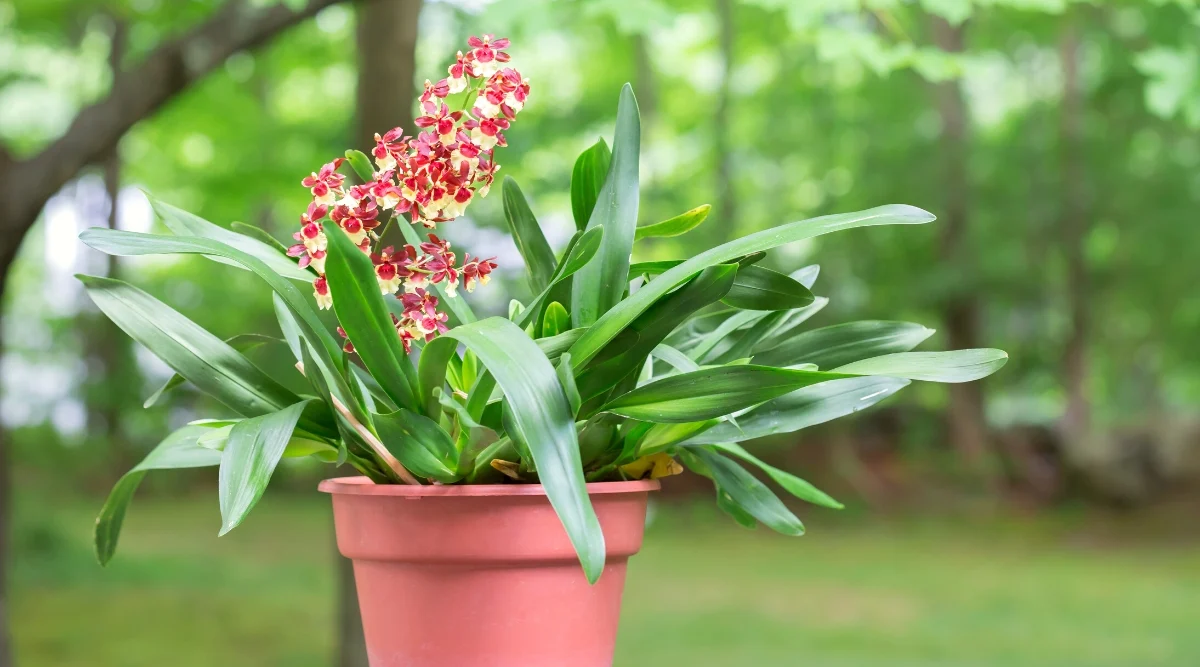
Thailand is often associated with beaches and street food, but there’s much more going on beyond the tourist hotspots. Head into the countryside and you’ll find another side of the country, where orchid farms dominate the landscape. Specifically, the kind that grow oncidium orchids by the thousands. These cheerful yellow-flowered plants are more than just pretty to look at; they’re also a big part of Thailand’s horticultural economy. Running an oncidium orchid farm is not a simple hobby. It takes focus, planning, and consistency.
The first thing you notice when visiting one of these farms is how organized everything is. Plants are arranged in rows, grouped by age or development stage, and usually protected by mesh or greenhouse-style roofs. The goal is to maintain stable growing conditions despite Thailand’s famously unpredictable weather. Shifts in sunlight, humidity, or temperature can throw off the flowering cycle, which means a loss in both appearance and commercial value.
Most farms rely on propagation techniques that allow them to grow large volumes while keeping quality high. Tissue culture is often the method of choice. It lets farms produce thousands of genetically identical plants that still meet strict quality controls. These clones are not about cutting corners. They make sure the blooms are uniform and disease-free.
Fertilization is another key factor. It’s not simply a matter of adding generic plant food. Different stages of orchid growth demand specific nutrient balances. Get it wrong, and you risk deformities in the flowers or leaves. Skilled farm staff often tailor feeding schedules based on season and plant maturity, making sure everything stays on track.
Pest control is done carefully. Oncidiums are vulnerable to issues like spider mites and fungal infections. But a careless approach to pesticides can ruin a whole batch or set back a planting cycle. Many farms use a mix of natural repellents, rotation planting, and regular inspections to keep things under control without harming the crop or the environment.
Once the plants reach maturity, timing becomes everything. Harvesting too early means the flowers won’t last long after shipping. Too late, and they may start to wilt. Export-oriented farms are especially focused on this stage, since many of their clients are wholesalers or floral businesses in Europe or Asia. Getting the timing right is what keeps clients coming back.
It’s not all tech and greenhouses though. The experience of the people running these farms still matters most. Many are family-owned operations where skills have been passed down, adjusted over time, and blended with modern techniques. That mix of tradition and smart processes is what keeps Thailand’s orchid exports competitive in a global market.
So the next time you see a spray of yellow dancing orchids in a hotel or bouquet, there’s a decent chance they started out under the warm skies of rural Thailand. What looks effortless on the shelf is usually the result of months of quiet, methodical work by growers who know exactly what they’re doing.