


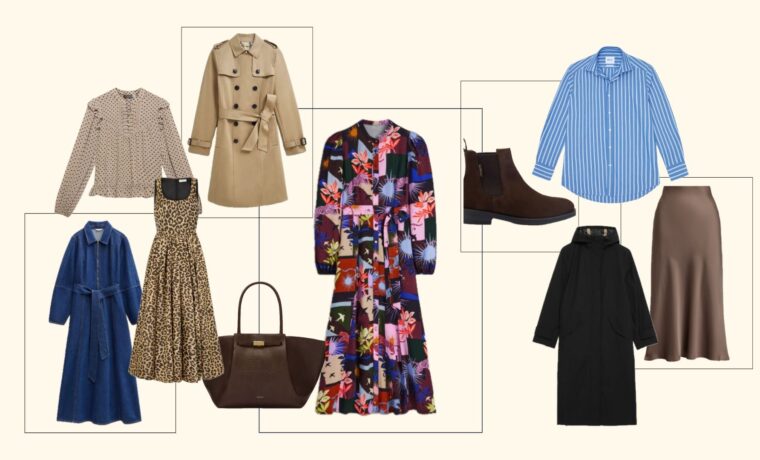
Building a reliable wardrobe becomes much easier when you focus on seasonal essentials that stay practical year after year. Instead of chasing short-lived trends, investing in versatile clothing pieces ensures comfort, flexibility, and style throughout changing weather conditions.
A thoughtful seasonal wardrobe helps reduce unnecessary purchases while making daily outfit planning faster and more consistent. The key is choosing items that combine function, adaptability, and timeless appeal. 👕
Why Seasonal Wardrobe Essentials Matter
Season-based clothing planning improves both comfort and efficiency. Rather than overcrowding your closet, you maintain a balanced rotation of pieces suited to each climate phase.
Benefits include:
- Easier outfit coordination
- Better weather readiness
- Long-term cost savings
- Reduced impulse shopping
- Stronger personal style consistency
A seasonal approach supports both practicality and confidence.
Spring Essentials for Comfortable Transitions 🌿
Spring weather often shifts between warm afternoons and cooler mornings, so layering becomes essential.
Key clothing pieces for spring:
- Lightweight jackets
- Breathable cotton shirts
- Straight-leg jeans or chinos
- Neutral sneakers
- Light scarves for mild breezes
Choose fabrics that allow airflow but still provide light protection against sudden temperature changes.
Summer Must-Have Clothing Pieces ☀️
Summer wardrobes should focus on breathability, comfort, and mobility. Lightweight materials help maintain ease during warmer days.
Reliable summer essentials include:
- Cotton T-shirts
- Linen shirts
- Lightweight trousers or shorts
- Comfortable sandals or sneakers
- Breathable dresses or relaxed tops
Neutral tones like white, beige, and pastel shades reflect heat and improve comfort.
Autumn Wardrobe Staples for Smart Layering 🍂
Autumn introduces cooler evenings while still allowing flexible styling through layering.
Important autumn clothing pieces:
- Lightweight sweaters
- Denim jackets
- Full-length trousers
- Long-sleeve shirts
- Casual boots
Layering allows you to adapt easily throughout the day without needing complete outfit changes.
Winter Clothing Essentials for Warmth and Structure ❄️
Winter requires clothing that balances insulation with durability. Choosing the right outer layers makes the biggest difference.
Must-have winter pieces:
- Structured wool coats or padded jackets
- Thermal inner layers
- Knit sweaters
- Dark denim or heavy trousers
- Warm boots
Quality winter essentials often last multiple seasons when properly maintained.
All-Season Clothing Pieces Every Wardrobe Needs
Some clothing works year-round regardless of weather conditions. These pieces form the backbone of a dependable wardrobe.
Core essentials include:
- Classic denim jeans
- Neutral T-shirts
- Button-down shirts
- Comfortable sneakers
- Minimal layering jackets
These items adapt easily across seasons when styled differently.
Choosing Fabrics That Work Across Seasons
Fabric selection plays a major role in seasonal comfort.
Best multi-season materials include:
- Cotton for breathability
- Linen for summer airflow
- Wool blends for warmth
- Denim for durability
- Lightweight knits for layering
Combining fabric versatility with neutral colors increases outfit flexibility.
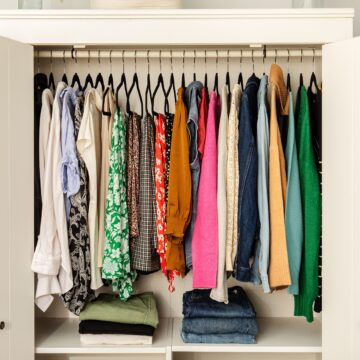
Building a Practical Seasonal Capsule Wardrobe
A capsule wardrobe focuses on fewer items with greater versatility.
Simple steps to build one:
- Choose neutral base colors
- Add two to three seasonal statement pieces
- Prioritize comfort-focused fabrics
- Select adaptable footwear
- Keep layering options available
This approach keeps your wardrobe organized and efficient year-round.
How to Transition Clothing Between Seasons Smoothly
Instead of replacing your wardrobe every season, adjust styling techniques.
Try these transition strategies:
- Layer summer shirts with jackets in autumn
- Pair winter sweaters with lighter trousers in spring
- Use scarves to extend seasonal wear
- Switch footwear before replacing clothing entirely
Small adjustments often make a large difference in usability.
Mistakes to Avoid When Planning Seasonal Wardrobes
Even practical wardrobes can become cluttered without planning.
Avoid these common issues:
- Buying duplicates of similar items
- Ignoring fabric suitability
- Choosing trend-only pieces
- Overlooking footwear versatility
- Skipping layering essentials
Balanced selection ensures longer-lasting wardrobe value.
FAQ: Must-Have Clothing Pieces for Every Season
How many clothing pieces should a seasonal wardrobe include?
A practical seasonal wardrobe usually includes 10–15 versatile items that can be mixed easily into multiple outfits.
Are neutral colors better for seasonal clothing?
Neutral tones provide greater flexibility and make layering across seasons easier.
Can one jacket work across multiple seasons?
Yes. Lightweight jackets such as denim or cotton layers often work well during spring, autumn, and cooler summer evenings.
How often should seasonal wardrobes be updated?
Reviewing your wardrobe once or twice a year is usually enough to maintain balance and remove unused items.
What footwear works well across different seasons?
Neutral sneakers and lightweight boots transition easily between multiple weather conditions.
Is layering more important than owning many clothes?
Yes. Layering increases outfit combinations without requiring additional purchases.
Should seasonal clothing always follow current fashion trends?
No. Timeless essentials provide longer usability and better value compared to trend-driven purchases.