


Clothing lasts longer when it’s cared for correctly. Simple habits like washing with the right settings, storing garments properly, and handling stains early can significantly extend the life of your wardrobe. Instead of replacing items frequently, proper care helps preserve fabric strength, color quality, and garment shape over time.
With a few consistent routines, you can keep your clothes looking fresh, comfortable, and reliable for years. 👕
Why Proper Clothing Care Matters
Many garments wear out not because of frequent use—but because of incorrect maintenance.
Taking care of your clothes helps:
- Maintain fabric texture
- Prevent fading and shrinking
- Preserve stitching and shape
- Reduce replacement costs
- Support sustainable fashion habits
Good care habits protect both your wardrobe and your budget.
Always Read the Care Label First
Care labels provide essential instructions tailored to each garment’s fabric and construction.
Typical guidance includes:
- Washing temperature limits
- Drying instructions
- Ironing suitability
- Bleach restrictions
- Dry-clean recommendations
Following these instructions prevents unnecessary damage before it begins.
Sort Clothes Before Washing
Mixing all clothes in one wash cycle is one of the most common mistakes.
Separate laundry into categories like:
- Light and dark colors
- Heavy and lightweight fabrics
- Delicate and durable garments
- Everyday wear and specialty items
Sorting prevents color transfer and reduces fabric stress during washing.
Wash Clothes Using the Right Water Temperature
Temperature affects both cleanliness and durability.
General guidelines:
- Cold water protects color and prevents shrinking
- Warm water works well for everyday wear
- Hot water suits towels and heavily soiled items only
Cold washing is usually the safest choice for most garments. ❄️
Use the Correct Amount of Detergent
More detergent does not mean cleaner clothes.
Too much detergent can:
- Leave residue on fabric
- Fade colors faster
- Reduce softness
- Weaken fibers over time
Follow recommended amounts based on load size and fabric type.
Turn Clothes Inside Out Before Washing
Turning garments inside out protects their outer surface from friction.
This method helps:
- Preserve printed designs
- Reduce fading
- Prevent pilling
- Protect embroidery and stitching
It’s especially useful for jeans, T-shirts, and darker fabrics.
Avoid Overloading the Washing Machine
Overloading limits movement inside the drum and increases friction between garments.
Consequences include:
- Uneven cleaning
- Fabric stretching
- Wrinkling
- Damage to seams
Leave enough space so clothes move freely during washing.
Air Dry Whenever Possible 🌬️
High heat from dryers can weaken fibers and shrink garments.
Air drying helps:
- Maintain shape
- Preserve elasticity
- Prevent fading
- Extend fabric lifespan
Hang clothes in shaded areas to avoid sun-related color fading.
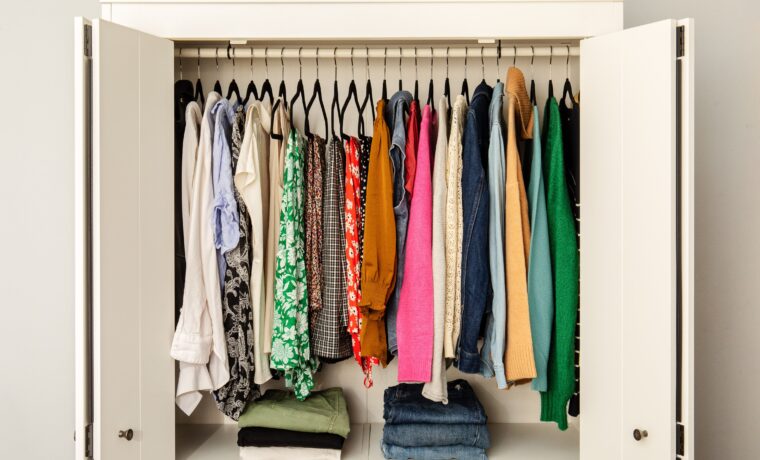
Store Clothes Properly to Prevent Damage
Storage plays a major role in garment longevity.
Helpful storage practices:
- Use padded hangers for delicate items
- Fold knitwear instead of hanging
- Keep clothes in dry, ventilated spaces
- Avoid overcrowded wardrobes
- Store seasonal clothing in breathable covers
Good storage protects fabric structure and appearance.
Treat Stains Immediately
Fresh stains are much easier to remove than older ones.
Quick action steps:
- Blot instead of rubbing
- Use mild stain removers
- Rinse with cold water first
- Test cleaning solutions on hidden fabric areas
Early treatment prevents permanent discoloration.
Rotate Your Clothing Regularly
Wearing the same items repeatedly increases wear and tear.
Rotation helps:
- Reduce stress on specific garments
- Maintain fabric strength
- Extend wardrobe lifespan
- Keep outfits looking fresh
Balanced usage ensures longer durability across your collection.
Iron Clothes Carefully and Only When Needed
Excessive ironing weakens fibers over time.
Better ironing habits include:
- Using proper temperature settings
- Ironing inside out when possible
- Using steam instead of high heat
- Avoiding unnecessary pressing
Gentle ironing keeps garments structured without damage.
Protect Clothes During Seasonal Storage
Seasonal garments need extra care when stored for long periods.
Follow these steps:
- Wash items before storing
- Fold neatly instead of compressing tightly
- Use breathable storage bags
- Keep storage areas moisture-free
- Add natural repellents if needed
Proper seasonal storage prevents odor and fabric deterioration.
Build Simple Clothing Care Habits That Last
Consistency matters more than perfection. Small daily habits create long-term results.
Start with:
- Reading labels
- Washing with cold water
- Air drying regularly
- Storing items correctly
- Treating stains early
These simple actions keep your wardrobe looking newer for longer. ✨
FAQ: How to Care for Your Clothes to Make Them Last
How often should everyday clothes be washed?
Most everyday garments can be worn multiple times before washing unless they are visibly dirty or exposed to sweat.
Is hand washing better than machine washing?
Hand washing is gentler and ideal for delicate fabrics like silk, wool, and embellished clothing.
Can sunlight damage clothes while drying?
Yes. Prolonged direct sunlight can fade colors and weaken certain fabrics over time.
Should zippers and buttons be closed before washing?
Yes. Closing them helps garments maintain shape and prevents snagging during wash cycles.
Does fabric softener help clothes last longer?
Not always. Overuse can weaken fibers and reduce breathability in some materials.
How can I prevent clothes from shrinking?
Use cold water, avoid high dryer heat, and follow label instructions carefully.
What is the safest way to store delicate garments long term?
Clean them first, fold carefully, and store them in breathable fabric covers in a dry space.