
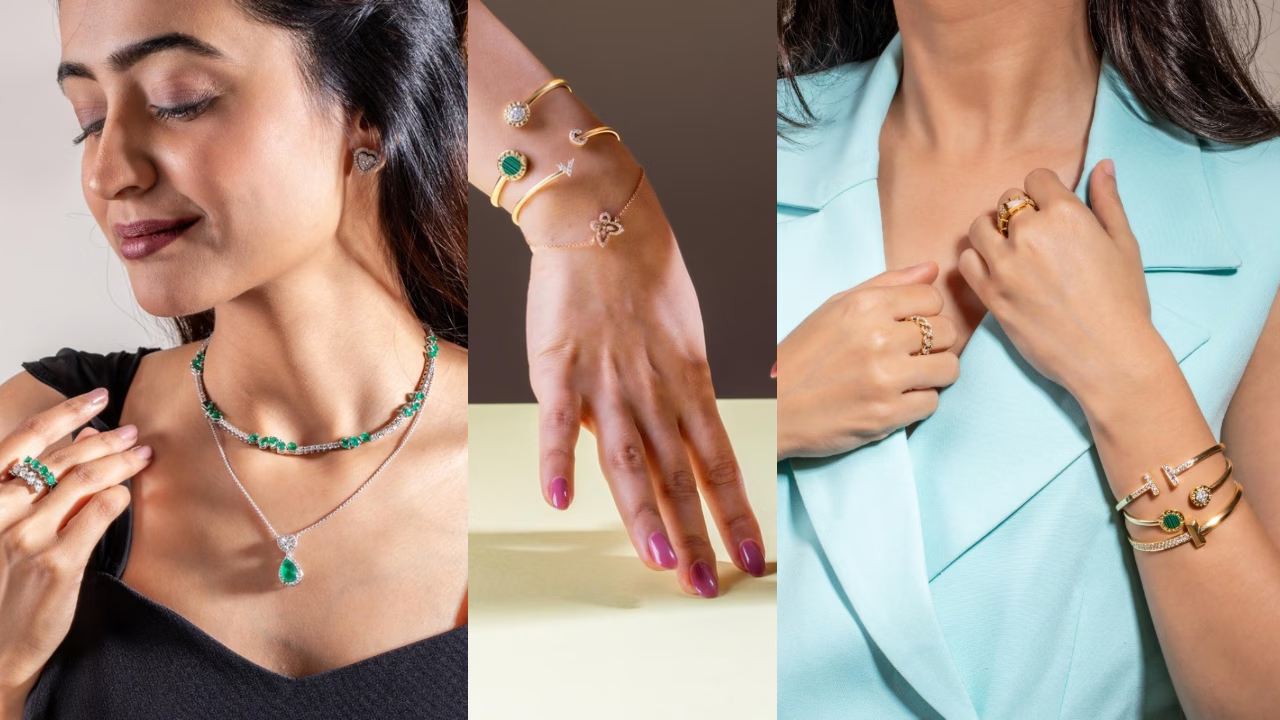
Layering jewelry is one of the easiest ways to elevate an outfit without changing your wardrobe. When done correctly, layered accessories create depth, balance, and personality while still looking effortless. The goal is not to wear more pieces—it’s to wear them with intention.
Fashion experts follow simple layering principles that help jewelry look coordinated rather than cluttered. With the right combinations, even basic pieces can create a polished and modern look. ✨
Why Jewelry Layering Enhances Your Style
Layering works because it adds visual interest and movement to your outfit. Instead of relying on a single statement piece, multiple elements create a more refined appearance.
Well-layered jewelry can:
- Highlight facial features and neckline
- Add structure to simple outfits
- Express personality without bold clothing
- Transition casual looks into elevated ones
- Create a balanced styling effect
Small adjustments can make a noticeable difference.
Start with a Focal Piece First
Every successful layered look begins with one main item that anchors the rest.
Common focal pieces include:
- A medium-length necklace
- A signature watch
- A standout ring
- A structured bracelet
Once the centerpiece is selected, supporting pieces should complement—not compete with—it.
Layer Necklaces Using Different Lengths
Necklace layering works best when each piece sits at a different height.
Try this simple structure:
- Choker or short chain (base layer)
- Mid-length pendant (center layer)
- Long chain necklace (finishing layer)
Spacing prevents tangling and helps each piece remain visible.
Mix Chain Styles for Texture
Combining identical chains can look flat. Texture adds sophistication.
Effective combinations include:
- Thin chains with medium-weight links
- Smooth pendants with textured chains
- Minimal layers with one bold accent piece
Contrast creates a professional layered appearance.
Stack Rings Without Overcrowding 💍
Ring stacking should feel balanced rather than heavy.
Smart stacking ideas:
- Combine one statement ring with slim bands
- Spread rings across multiple fingers
- Leave one finger empty for visual space
- Mix smooth and textured finishes
Balanced spacing keeps stacking elegant.
Layer Bracelets with Proportion in Mind
Bracelet layering works best when sizes vary slightly but remain coordinated.
Try combinations like:
- A watch with one slim bracelet
- Two thin chain bracelets
- One cuff paired with delicate bands
Avoid stacking too many bulky pieces together.
Mix Metals Carefully for a Modern Look
Mixing gold and silver is widely accepted today, but balance matters.
Follow these guidelines:
- Choose one dominant metal tone
- Add one contrasting accent piece
- Repeat each tone at least once
Repeating colors creates harmony across layers.
Match Jewelry Layers with Necklines and Sleeves
Your clothing influences how jewelry layers appear.
Examples:
Crew neck:
- Short layered necklaces work best
V-neck:
- Pendant-centered layers look natural
Button-down shirts:
- Mid-length chains add structure
Long sleeves:
- Slim bracelets prevent crowding
Adapting layers to clothing improves overall styling impact.
Keep Balance Between Jewelry and Outfit Details
If clothing already includes patterns or textures, reduce jewelry layering slightly.
Use this simple rule:
- Bold outfit → minimal jewelry layers
- Simple outfit → richer layering combinations
Balance ensures accessories enhance rather than overwhelm your look.
Choose a Consistent Style Direction
Layered jewelry looks strongest when pieces share a theme.
Popular style directions include:
Minimalist layering:
- Thin chains
- Small rings
- Light bracelets
Classic layering:
- Structured pendants
- Medium-weight chains
- Timeless metals
Modern layering:
- Mixed textures
- Mixed metals
- Asymmetrical arrangements
Consistency keeps layering intentional.
Avoid Common Jewelry Layering Mistakes
Even stylish pieces can look cluttered without planning.
Try to avoid:
- Wearing identical chain lengths
- Overstacking bulky bracelets
- Mixing too many statement pieces
- Ignoring outfit neckline compatibility
- Choosing mismatched finishes without balance
Refinement comes from restraint as much as selection.
Build a Simple Everyday Layering Formula
A reliable layering routine saves time each morning.
Example combination:
- One short necklace
- One medium pendant chain
- One slim bracelet or watch
- Two stacking rings
This formula works across casual and professional outfits.
FAQ: How to Layer Jewelry Like a Fashion Expert
How many necklaces should I layer at once?
Two to three necklaces usually create the most balanced and wearable layered look.
Can layered jewelry work for professional settings?
Yes. Choose slimmer chains, subtle rings, and minimal bracelet stacks for workplace styling.
Is it necessary to match necklace pendants when layering?
No. Mixing pendant shapes adds character as long as spacing remains balanced.
Should earrings be layered with other jewelry styles too?
Yes. Small hoops, studs, or ear cuffs can complement layered necklaces and rings effectively.
How do I prevent layered necklaces from tangling?
Use varying chain lengths and lightweight designs to reduce overlap and twisting.
Does layered jewelry suit all face shapes?
Yes. Adjust necklace lengths and earring styles to complement facial proportions.
Can beginners start layering jewelry with only a few pieces?
Absolutely. Even two necklaces and one bracelet can create a stylish layered effect when arranged thoughtfully.