

Online shopping offers convenience, savings, and access to a wide range of products—making it especially valuable for seniors. Whether purchasing health products, everyday essentials, or gifts for loved ones, older adults can benefit greatly from digital shopping platforms. However, staying safe, confident, and informed is key. Here are practical, easy-to-follow tips tailored for seniors navigating the online shopping world.
Why Online Shopping Is Great for Seniors
Online shopping eliminates the need for travel, long lines, and heavy lifting. It allows shoppers to compare prices, read reviews, and make informed decisions—all from the comfort of home.
Major benefits include:
- Home delivery of essentials
- Access to hard-to-find items
- Time and cost savings
- Flexible payment options
- The ability to browse safely at any hour
Essential Online Shopping Tips for Seniors
1. Shop on Trusted and Reputable Websites
Stick to well-known retailers or brands with strong customer reviews. Trusted sites typically offer secure checkout systems and reliable customer service.
Look for:
- Familiar brand names
- Clear return and refund policies
- Verified customer ratings
2. Protect Personal and Financial Information
Safety is crucial when shopping online. Seniors should feel confident entering information only on secure platforms.
Key security tips:
- Make sure the website URL starts with https://
- Avoid shopping on public Wi-Fi networks
- Use strong, unique passwords
- Enable two-factor authentication when available
3. Compare Prices Before Buying
Online retailers often list the same product at different price points. Seniors can easily save money by comparing options using built-in tools or comparison websites.
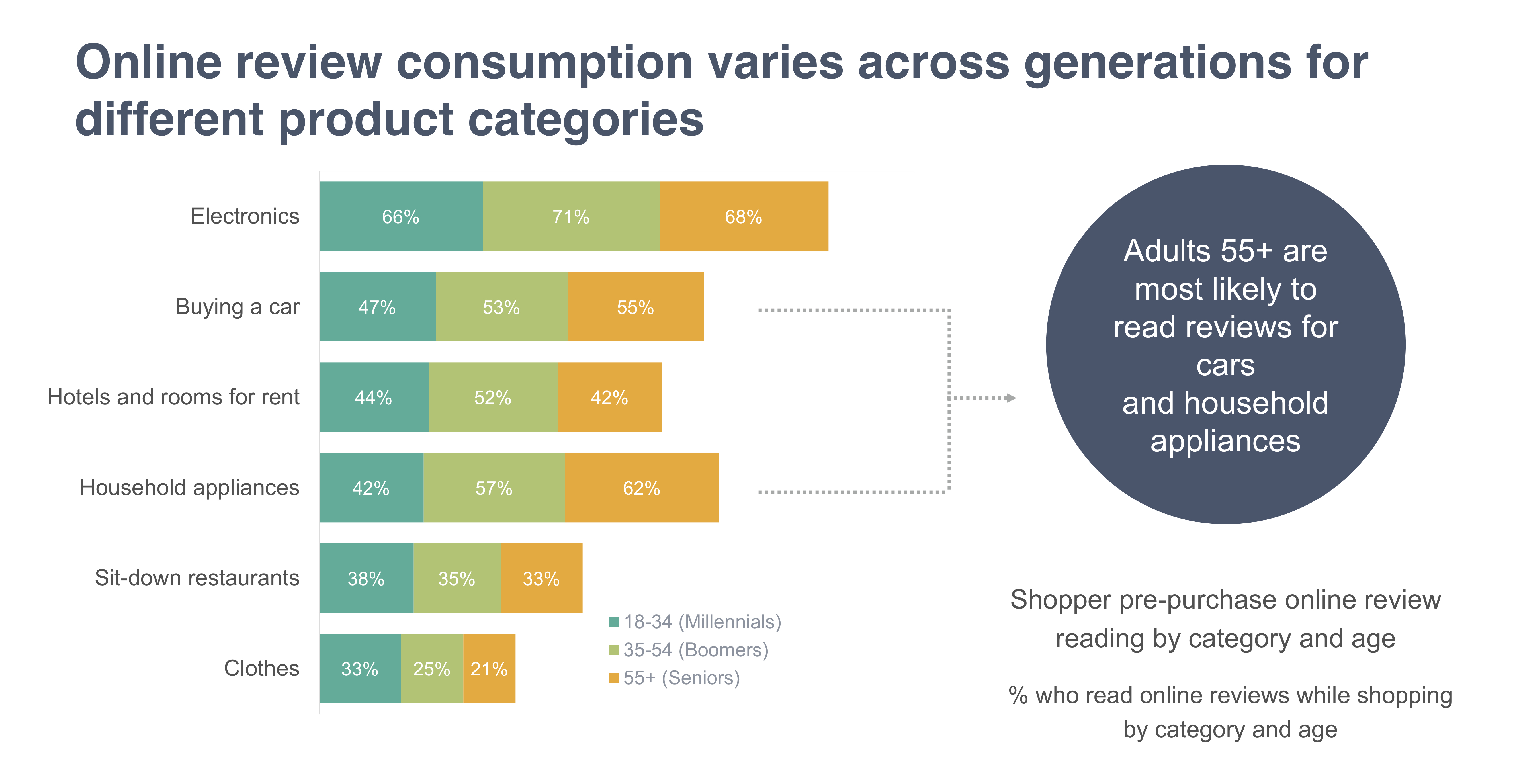
4. Read Product Descriptions and Customer Reviews
Understanding what you’re buying helps avoid disappointment. Reviews offer insight into product quality, durability, and accuracy.
Helpful review elements:
- Verified buyer comments
- Photos from other customers
- Details about size, fit, or features
5. Be Mindful of Scams and Fake Websites
Scammers often target seniors with unrealistic deals or imitation websites. Always double-check the site name, spelling, and legitimacy before entering personal details.
Red flags include:
- Prices too good to be true
- Poor website design
- Missing contact information
- Requests for unusual payment methods
6. Understand Shipping Costs and Delivery Times
Before checking out, verify the shipping fees and timelines. Some sellers may offer low prices but charge high shipping rates.
Best practices:
- Choose stores with free or low-cost shipping
- Track your delivery through email or app notifications
- Look for senior-friendly delivery services
7. Keep Records of Your Purchases
Saving order confirmations, tracking numbers, and receipts helps with returns or inquiries. Keeping digital copies organized is especially beneficial.
8. Use Customer Support When Needed
Most reputable websites offer support via phone, chat, or email. Seniors should never hesitate to ask questions or seek help with navigating the site or resolving issues.
Helpful Tools for Seniors Shopping Online
Password Managers
These tools securely store passwords, making logins easier and safer.
Browser Extensions
Extensions can help detect unsafe websites or automatically compare prices.
Mobile Shopping Apps
Apps often offer simplified layouts with larger text and easier navigation—ideal for seniors who prefer smartphones or tablets.
Benefits of Learning Online Shopping Skills for Seniors
- Increased independence
- Greater confidence with technology
- Access to deals and discounts
- Reduced physical strain
- More control over budgeting and spending
FAQs
1. How can seniors make sure a website is safe before entering payment information?
Check for https://, a lock symbol in the address bar, and a reputable brand name. Avoid unfamiliar sites unless verified through reviews.
2. What is the safest way for seniors to pay online?
Credit cards and secure payment services like digital wallets offer strong protections and fraud monitoring.
3. Are there online stores that offer senior discounts?
Yes. Many pharmacies, grocery retailers, and membership-based stores provide exclusive senior deals.
4. What should seniors do if they suspect an online scam?
Stop all communication, avoid clicking any links, and report the issue to your bank or local cybercrime authority.
5. Is it safe for seniors to save their payment information online?
Saving payment details can be safe on trusted websites, but should only be done on personal devices—not public or shared computers.
6. How can older adults avoid overspending online?
Setting budgets, using shopping lists, and comparing prices before buying help prevent impulse purchases.
7. What if a purchased item doesn’t meet expectations?
Most reputable retailers offer return and refund policies. Seniors should review these policies before purchasing and keep order confirmation emails for reference.
If you’d like, I can also create a PDF, SEO meta description, or a social media post version of this article.